TECHNOLOGY
NanoVita's Immobilized Enzyme Technology

NanoVita aims to bring PET and textile waste into the circular economy through sustainable biotechnology solutions.
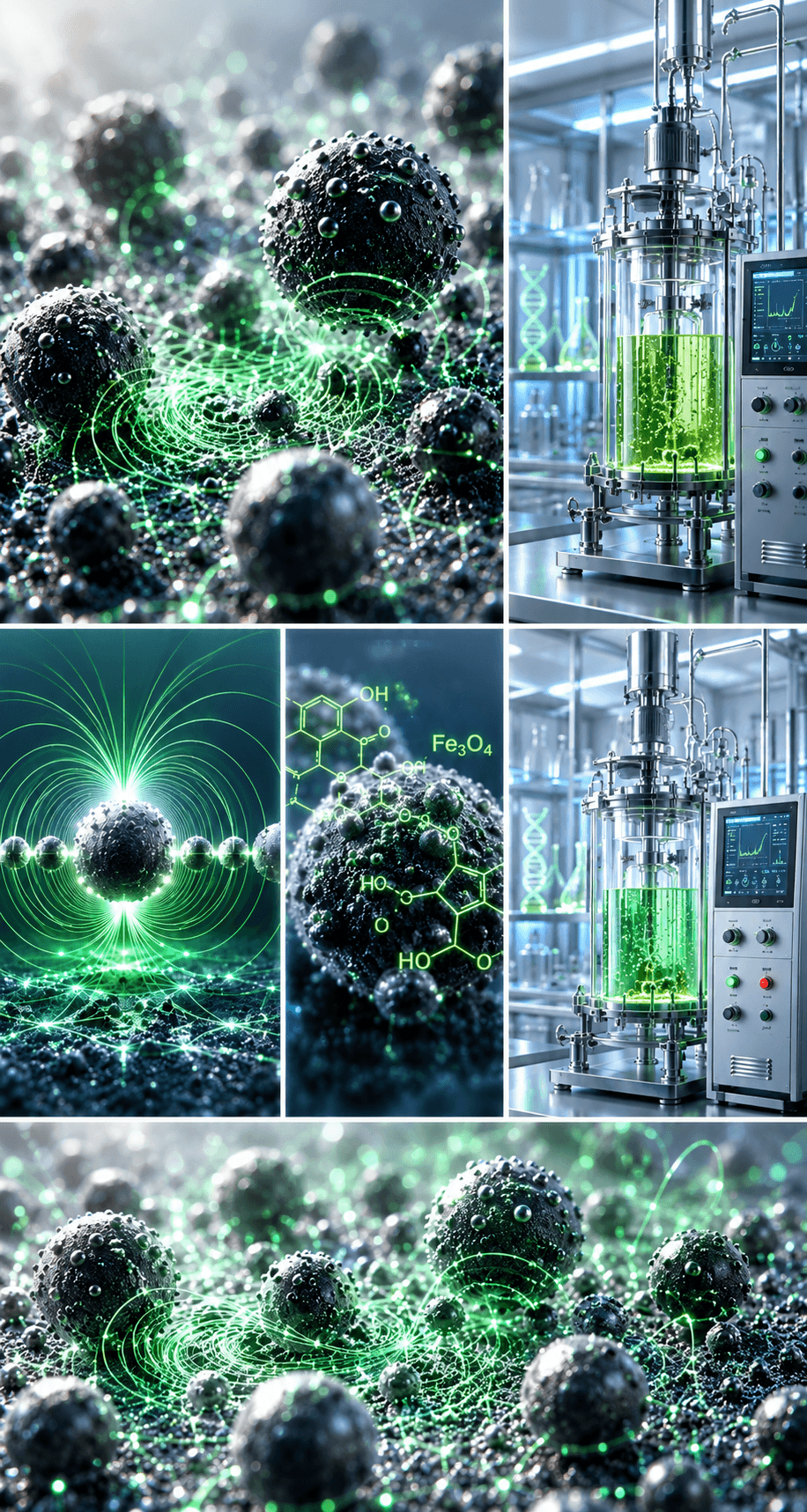
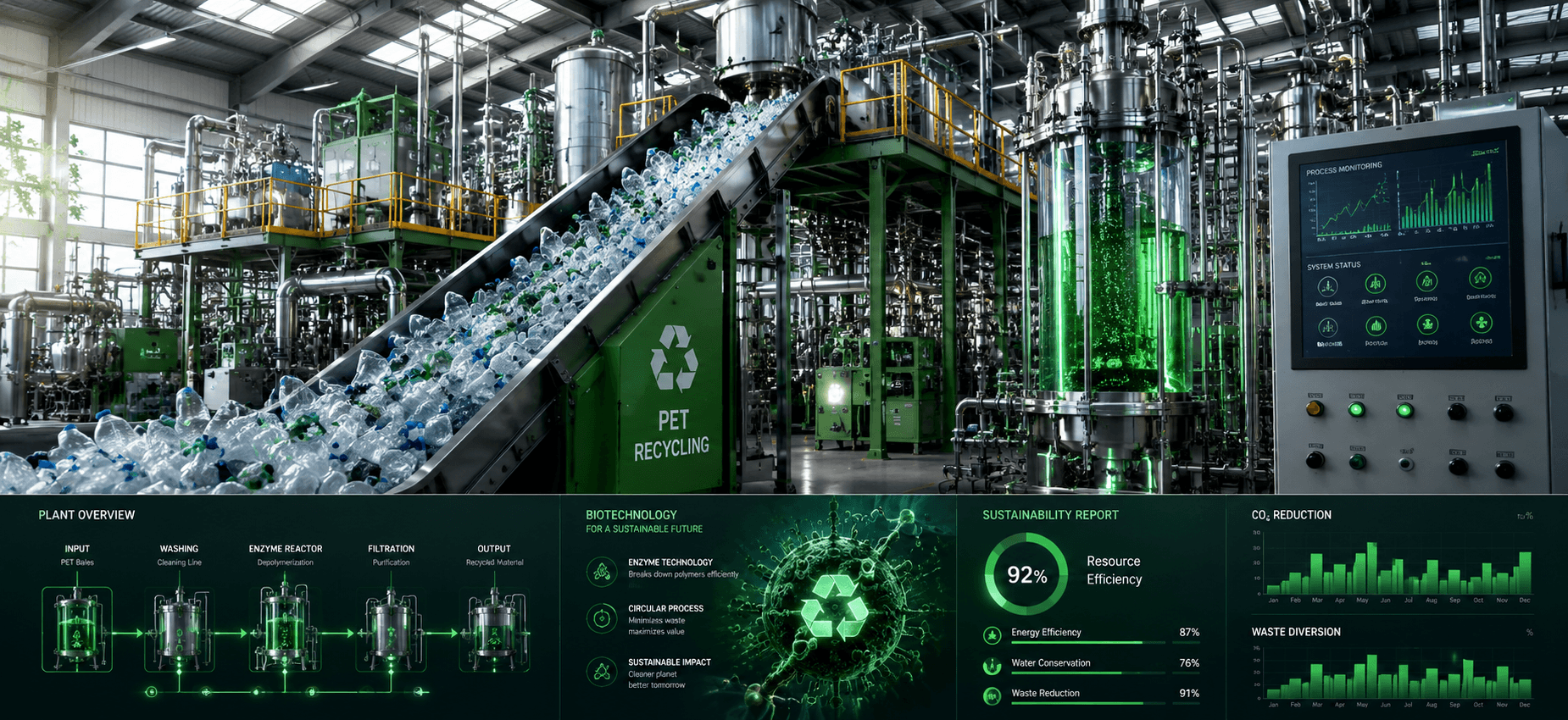
We are developing low-energy biological recycling processes using immobilized enzyme technologies and magnetic recovery systems.
TECHNOLOGY
NanoVita's Immobilized Enzyme Technology
NanoVita aims to bring PET and textile waste into the circular economy through sustainable biotechnology solutions.
We are developing low-energy biological recycling processes using immobilized enzyme technologies and magnetic recovery systems.
TECHNOLOGY
NanoVita's Immobilized Enzyme Technology
NanoVita aims to bring PET and textile waste into the circular economy through sustainable biotechnology solutions.
We are developing low-energy biological recycling processes using immobilized enzyme technologies and magnetic recovery systems.
FAQs
Frequently Asked Questions
Contact NanoVita
You can contact us regarding technology, collaboration, investment, or project development processes.
Contact: nanovitatech@gmail.com
What waste does NanoVita target?
Targets PET bottles and PET-based textile waste.
How does the system work?
Immobilized enzymes break PET chains down into monomer products.
What does magnetic recovery provide?
It allows enzyme carriers to be easily separated from the system and reused.
What makes NanoVita different?
It is the combined use of enzyme immobilization and magnetic separation.
What stage is the system in?
It is in the early stages of R&D and prototype development.
Who are the target customers?
Textile manufacturers, PET recycling facilities, and polymer/chemical companies.
FAQs
Frequently Asked Questions
Contact NanoVita
You can contact us regarding technology, collaboration, investment, or project development processes.
Contact: nanovitatech@gmail.com
What waste does NanoVita target?
Targets PET bottles and PET-based textile waste.
How does the system work?
Immobilized enzymes break PET chains down into monomer products.
What does magnetic recovery provide?
It allows enzyme carriers to be easily separated from the system and reused.
What makes NanoVita different?
It is the combined use of enzyme immobilization and magnetic separation.
What stage is the system in?
It is in the early stages of R&D and prototype development.
Who are the target customers?
Textile manufacturers, PET recycling facilities, and polymer/chemical companies.
FAQs
Frequently Asked Questions
Contact NanoVita
You can contact us regarding technology, collaboration, investment, or project development processes.
Contact: nanovitatech@gmail.com
What waste does NanoVita target?
Targets PET bottles and PET-based textile waste.
How does the system work?
Immobilized enzymes break PET chains down into monomer products.
What does magnetic recovery provide?
It allows enzyme carriers to be easily separated from the system and reused.
What makes NanoVita different?
It is the combined use of enzyme immobilization and magnetic separation.
What stage is the system in?
It is in the early stages of R&D and prototype development.
Who are the target customers?
Textile manufacturers, PET recycling facilities, and polymer/chemical companies.
NanoVita's Technological Advantages
Sustainable PET recycling processes are being targeted through immobilized enzyme and magnetic recovery technologies.
NanoVita's Technological Advantages
NanoVita aims to develop sustainable solutions for PET recycling processes using enzyme immobilization and magnetic recovery technologies.
01
Magnetic Recovery
The goal is for the enzyme carriers to be separated from the system and reused.
02
Immobilized Enzyme
The aim is to increase enzyme stability through the immobilization approach.
03
Low Energy Consumption
The aim is to develop more sustainable biological recycling processes.
04
Circular Economy
The aim is to convert PET waste into reusable monomer products.
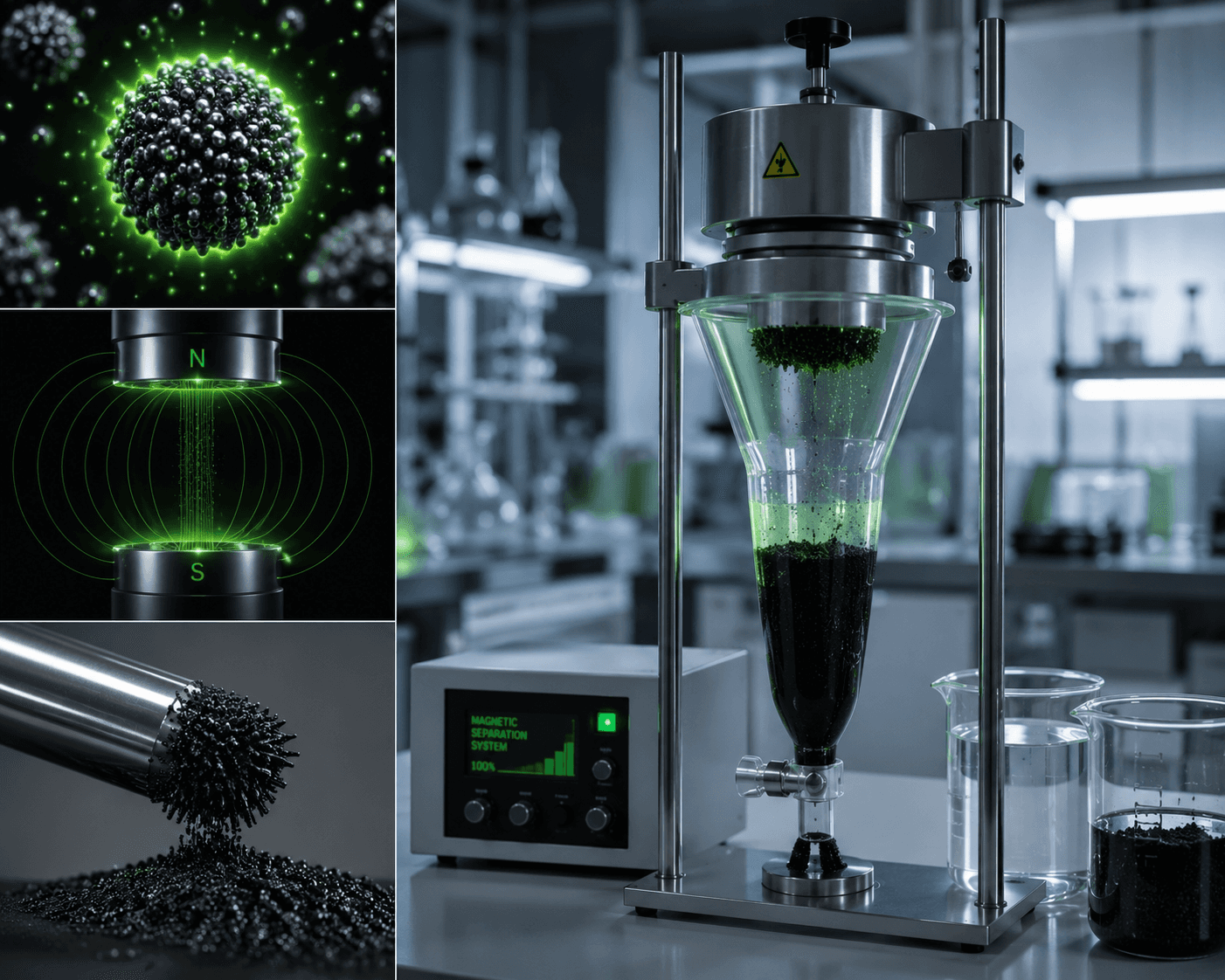
Magnetic Recovery
The goal is for the enzyme carriers to be separated from the system and reused.
Enzyme reusability
🧲
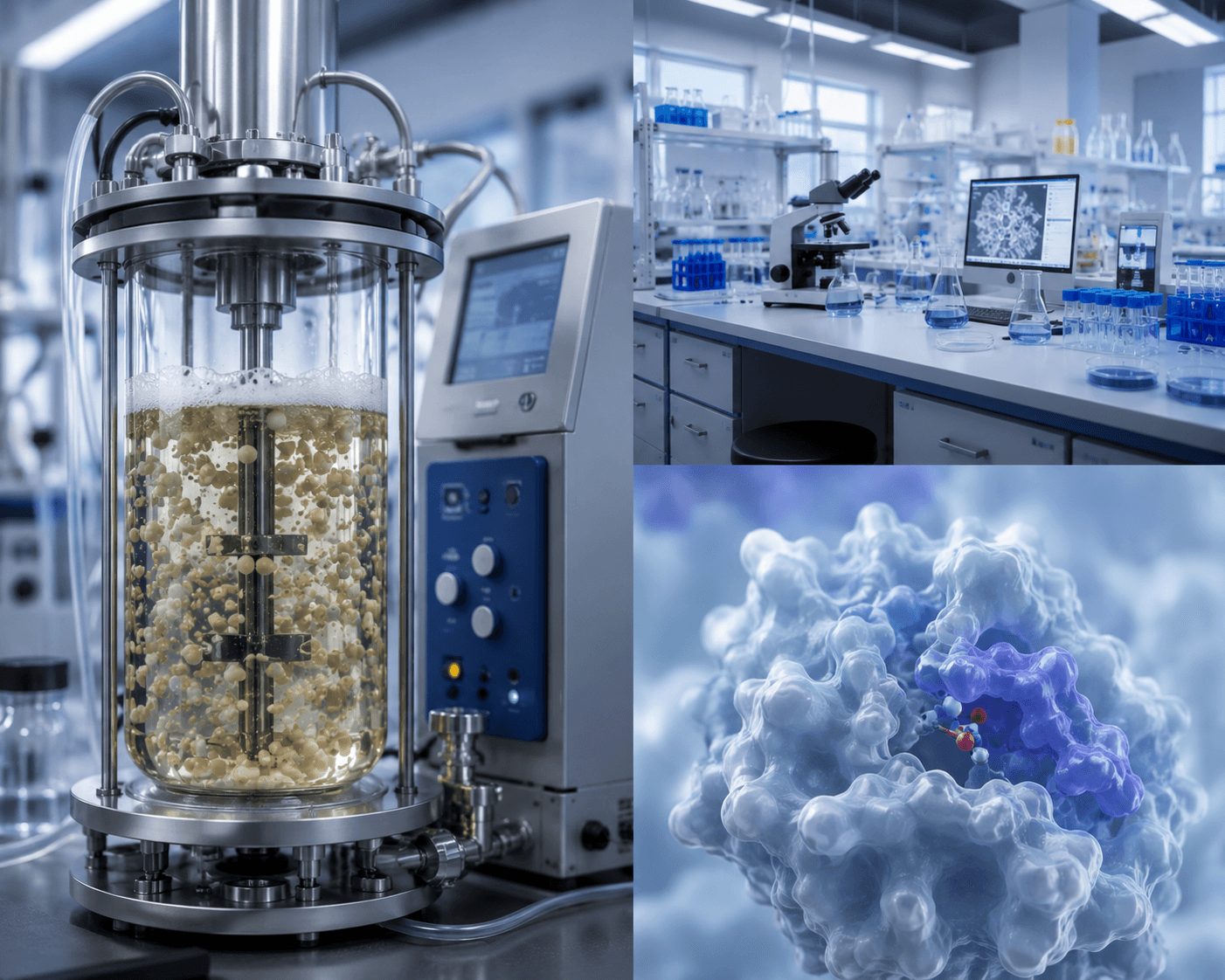
Immobilized enzyme
The aim is to increase enzyme stability through the immobilization approach.
Low energy consumption process
🧪
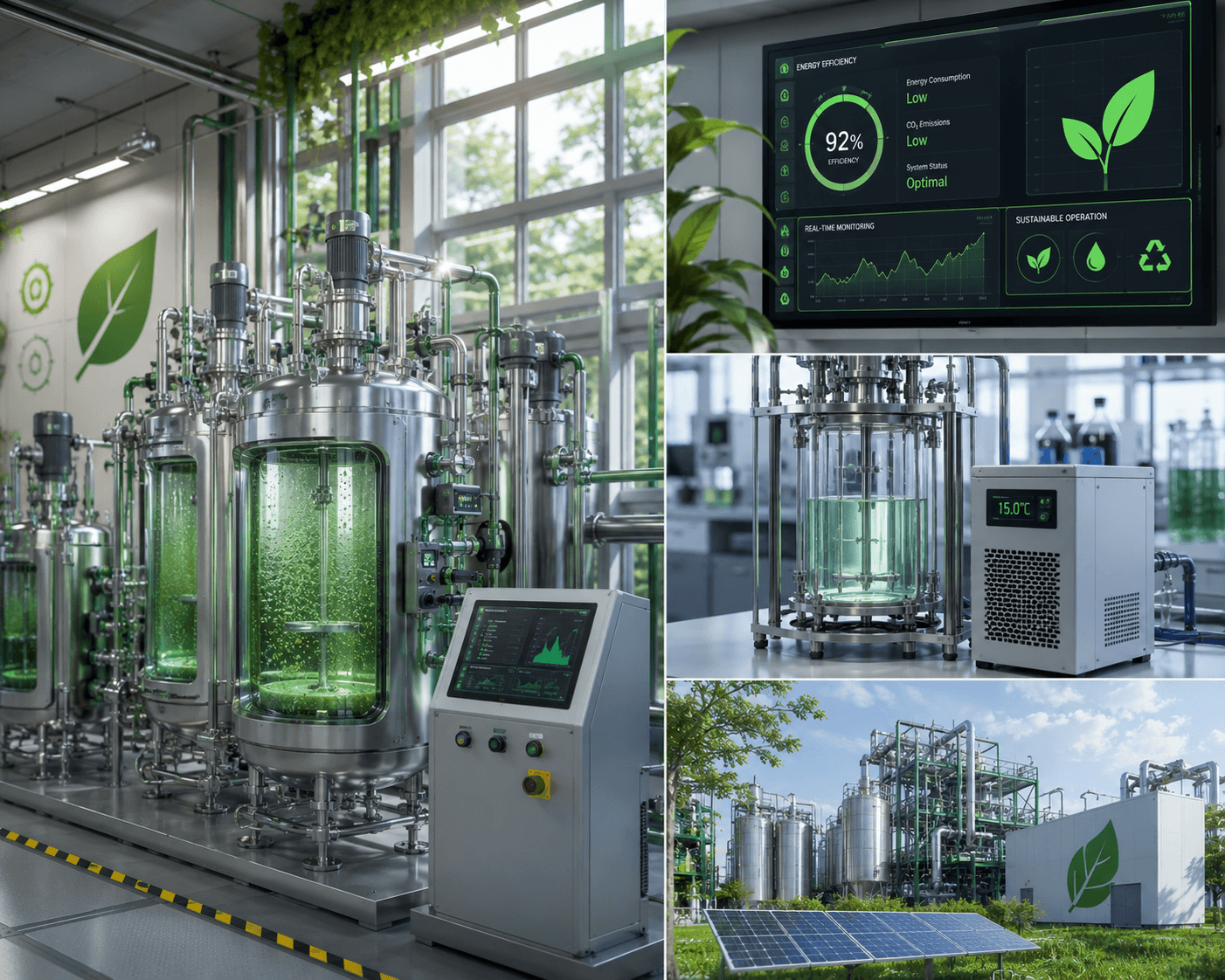
Low Energy Consumption
NanoVita’s biological approach aims for more sustainable systems compared to traditional recycling processes that require high temperatures.
More sustainable processes
⚡
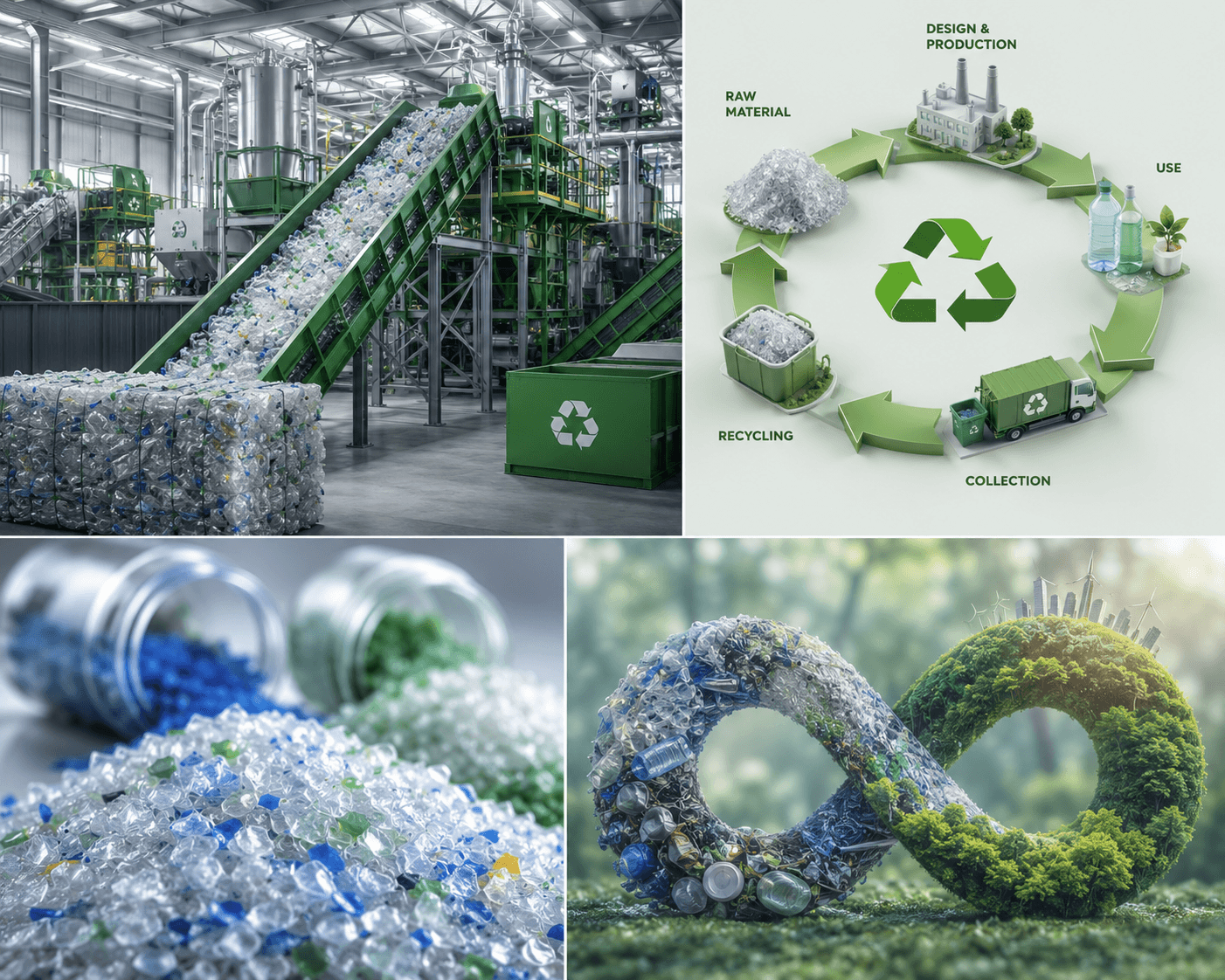
Circular Economy Approach
It is intended to reuse resources by converting PET waste back into valuable monomer components.
Recycling PET waste
♻️
Potential Use Cases and Target Industries
NanoVita’s technological approach aims to offer potential use cases for PET recycling facilities, textile manufacturers, polymer companies, and industrial organizations operating in the field of sustainable biotechnology.
Magnetic Recovery
The goal is for the enzyme carriers to be separated from the system and reused.
Enzyme reusability
Immobilized enzyme
The aim is to increase enzyme stability through the immobilization approach.
Low energy consumption process
🧪
Low Energy Consumption
NanoVita’s biological approach aims for more sustainable systems compared to traditional recycling processes that require high temperatures.
More sustainable processes
⚡
Circular Economy Approach
It is intended to reuse resources by converting PET waste back into valuable monomer components.
Recycling PET waste
♻️
Potential Use Cases and Target Industries
NanoVita’s technological approach aims to offer potential use cases for PET recycling facilities, textile manufacturers, polymer companies, and industrial organizations operating in the field of sustainable biotechnology.
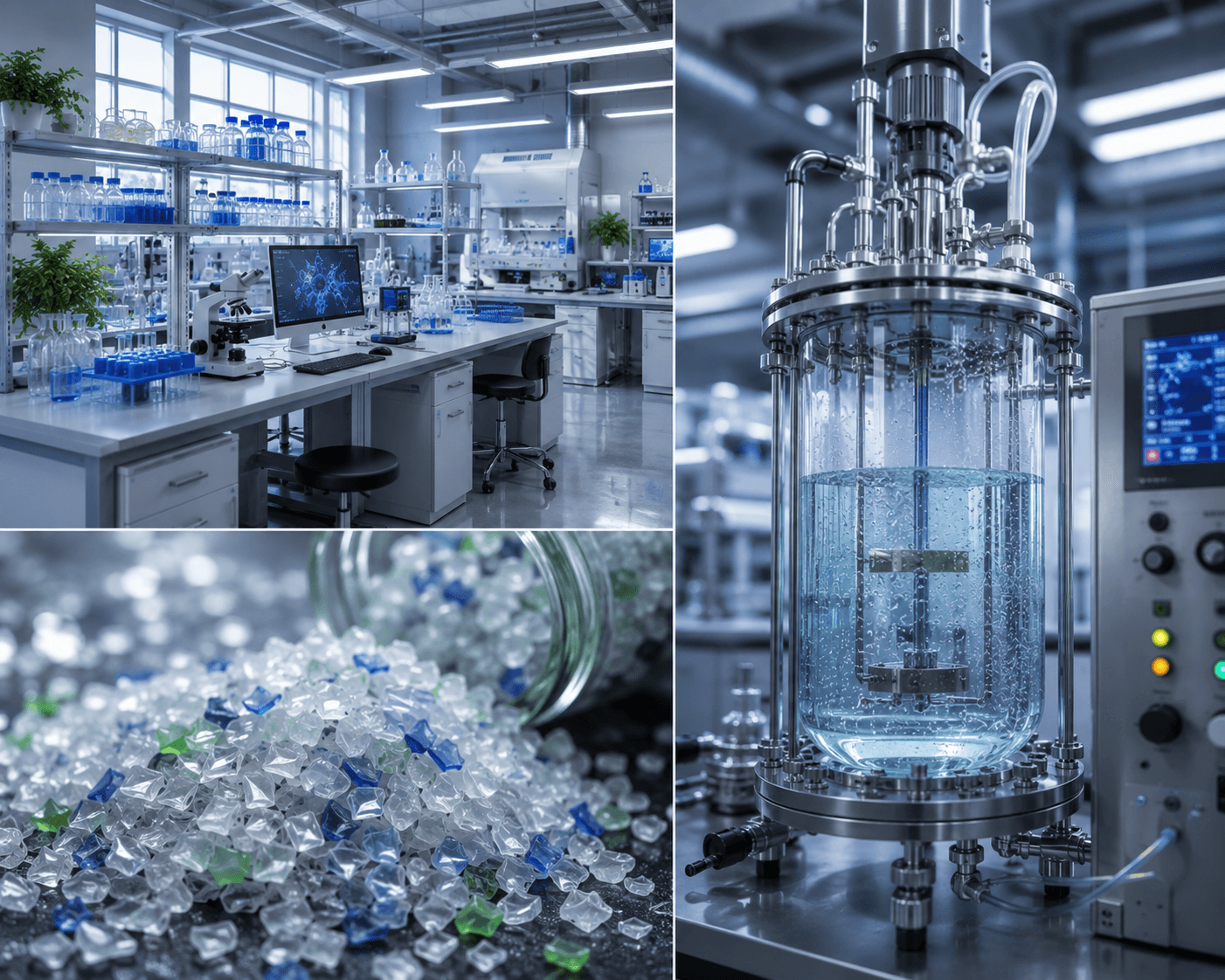
NanoVita’s Potential Impact Areas
♻️
PET Waste
🧪
Enzyme Technology
🧲
Magnetic Recovery

4.9 / 5
Sustainable biotechnology solutions
Sustainable biotechnology solutions
NanoVita’s Potential Impact Areas
♻️
PET Waste
🧪
Enzyme Technology
🧲
Magnetic Recovery
Sustainable biotechnology solutions
NanoVita's Technological Advantages
NanoVita aims to develop sustainable solutions for PET recycling processes using enzyme immobilization and magnetic recovery technologies.
01
Magnetic Recovery
The goal is for the enzyme carriers to be separated from the system and reused.
02
Immobilized Enzyme
The aim is to increase enzyme stability through the immobilization approach.
03
Low Energy Consumption
The aim is to develop more sustainable biological recycling processes.
04
Circular Economy
The aim is to convert PET waste into reusable monomer products.
NanoVita's Technological Advantages
NanoVita aims to develop sustainable solutions for PET recycling processes using enzyme immobilization and magnetic recovery technologies.
01
Magnetic Recovery
The goal is for the enzyme carriers to be separated from the system and reused.
02
Immobilized Enzyme
The aim is to increase enzyme stability through the immobilization approach.
03
Low Energy Consumption
The aim is to develop more sustainable biological recycling processes.
04
Circular Economy
The aim is to convert PET waste into reusable monomer products.
NanoVita's Technological Advantages
Sustainable PET recycling processes are being targeted through immobilized enzyme and magnetic recovery technologies.
Magnetic Recovery
The goal is for the enzyme carriers to be separated from the system and reused.
Enzyme reusability
🧲
Immobilized enzyme
The aim is to increase enzyme stability through the immobilization approach.
Low energy consumption process
🧪
Low Energy Consumption
NanoVita’s biological approach aims for more sustainable systems compared to traditional recycling processes that require high temperatures.
More sustainable processes
⚡
Circular Economy Approach
It is intended to reuse resources by converting PET waste back into valuable monomer components.
Recycling PET waste
♻️
Potential Use Cases and Target Industries
NanoVita’s technological approach aims to offer potential use cases for PET recycling facilities, textile manufacturers, polymer companies, and industrial organizations operating in the field of sustainable biotechnology.
NanoVita’s Potential Impact Areas
♻️
PET Waste
🧪
Enzyme Technology
🧲
Magnetic Recovery
4.9 / 5
Sustainable biotechnology solutions
Sustainable biotechnology solutions
NanoVita's Technological Advantages
NanoVita aims to develop sustainable solutions for PET recycling processes using enzyme immobilization and magnetic recovery technologies.
01
Magnetic Recovery
The goal is for the enzyme carriers to be separated from the system and reused.
02
Immobilized Enzyme
The aim is to increase enzyme stability through the immobilization approach.
03
Low Energy Consumption
The aim is to develop more sustainable biological recycling processes.
04
Circular Economy
The aim is to convert PET waste into reusable monomer products.